
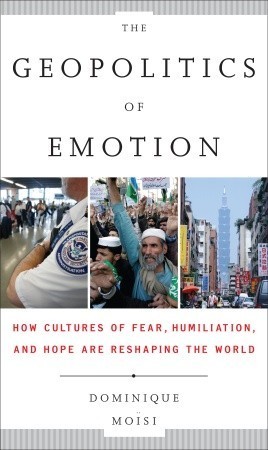
The Geopolitics of Emotion: How Cultures of Fear, Humiliation, and Hope are Reshaping the World book by Dominique Moïsi
The Geopolitics of Emotion: How Cultures of Fear, Humiliation, and Hope are Reshaping the World book by Dominique Moïsi
The first book to expose and investigate the far-reaching emotional impact of globalization. In his celebrated 1993 bookThe Clash of Civilizations,political scientist Samuel Huntington argued that the fundamental source of conflict in the post–Cold War world would not be primarily ideological or economic, but cultural. InThe Geopolitics of EmotionDominique Moïsi, a leading authority on international affairs, demonstrates that our post-9/11 world has become divided by more than cultural fault lines between nations and civilizations. Moïsi brilliantly chronicles how the geopolitics of today is characterized by a “clash of emotions,” and how cultures of fear, humiliation, and hope are reshaping the world. Moïsi contends that both the United States and Europe have been dominated by fears of the “other” and of their loss of a national identity and purpose. Instead of being united by their fears, the twin pillars of the West are more often divided by them—or, rather, by bitter debates over how best to confront or transcend them. For Muslims and Arabs, the combination of historical grievances, exclusion from the economic boon of globalization, and civil and religious conflicts extending from their homelands to the Muslim diaspora have created a culture of humiliation that is quickly devolving into a culture of hatred. Meanwhile, Asia has been ableto concentrate on building a better future and seizing the economic initiative from the American-dominated West and so creating a new culture of hope. Do these emotions represent underlying cultural tendencies characteristic of particular regions and populations today? How will these varying emotions influence the political, social, and cultural conflicts that roil our world? How can the West transcend its fear and avoid sliding into protectionism or militarism? What can the Muslim world do to overcome is legacy of humiliation? Will China and India manage to maintain their status as the cultures of hope? And what will the effect of the world economic crisis be? By delineating the necessity of confronting emotions to understand our changing world and deciphering the driving emotions behind our cultural differences,The Geopolitics of Emotionpresents a provocative new perspective on globalization. Published By Doubleday Books on 2009
Book Specifications
About Dominique Moïsi
View full author profile →
Book Title
You are viewing an alternative format/edition for this title. You can proceed directly to this book's page to complete your purchase.
More Books By Dominique Moïsi

People who bought this also bought
The Long Death: The Last Days of the Plains Indians Book By Ralph K. Andrist
Imperialism: The Highest Stage of Capitalism book by Vladimir Lenin
The Language of Love : A Powerful Way to Maximize Insight, Intimacy, and Understanding
Finding My Virginity: The New Autobiography book by Richard Branson
Tiny Beautiful Things: Advice from Dear Sugar book by Cheryl Strayed
Life its Ownself: the Semi-Tougher Adventures of Billy Clyde Puckett and Them book by Dan Jenkins
Sing! How Worship Transforms Your Life, Family, and Church book by Keith Getty
Virginia Hamilton: Speeches, Essays, and Conversations book by Virginia Hamilton
Tribe of Mentors : Short Life Advice from the Best in the World by Tim Ferriss
An Hour to Live, an Hour to Love: The True Story of the Best Gift Ever Given book by Richard Carlson
Women Of Divorce: Mothers, Daughters, Stepmothers by Susan Shapiro Barash
Who Lost Russia?: How the World Entered a New Cold War book by Peter Conradi
The Sound of Healing: Unveiling the Phenomena of Wholetones book by Michael S. Tyrrell